


Philanthropic Travel Explained
How It Works, What It Costs, and Who It's For
Philanthropic travel is luxury travel built around a cause. Instead of a trip that happens to include a charitable visit, the journey is designed from the start around a project you fund, and your contribution is what unlocks the access: private time with the scientists, conservationists and cultural custodians doing the work, in places most travelers never reach.
Impact Destinations has designed philanthropic trips for families, couples and foundations since 2018, and is a Luxury Travel Magazine Gold List winner 2024, Regenerative Tourism Experience. It has been recommended in both Robb Report and National Geographic Traveller magazines. Discover how philanthropic travel works, how it differs from other kinds of purposeful travel, what it costs, and who it tends to suit.
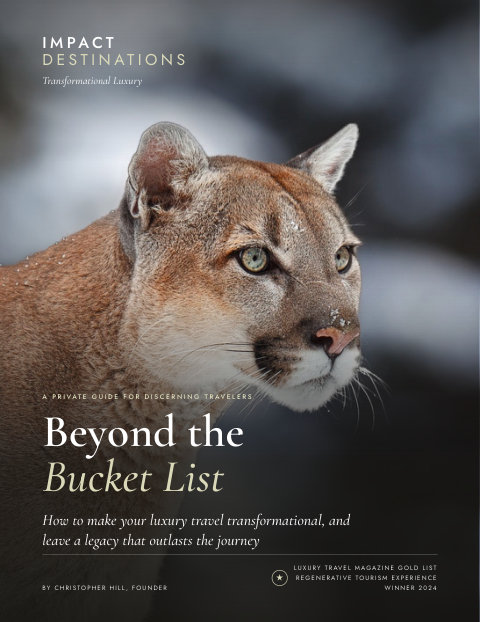
Prepare for the Extraordinary
Download your definitive guide to transformational travel and begin planning your legacy encounter.
Download Free GuideWhat is philanthropic travel?
Philanthropic travel is a journey in which a direct contribution to a conservation, cultural or community project is built into the itinerary, and the project's experts open their work to you in return. The travel is luxurious; the purpose is real; the two are designed together rather than bolted on.
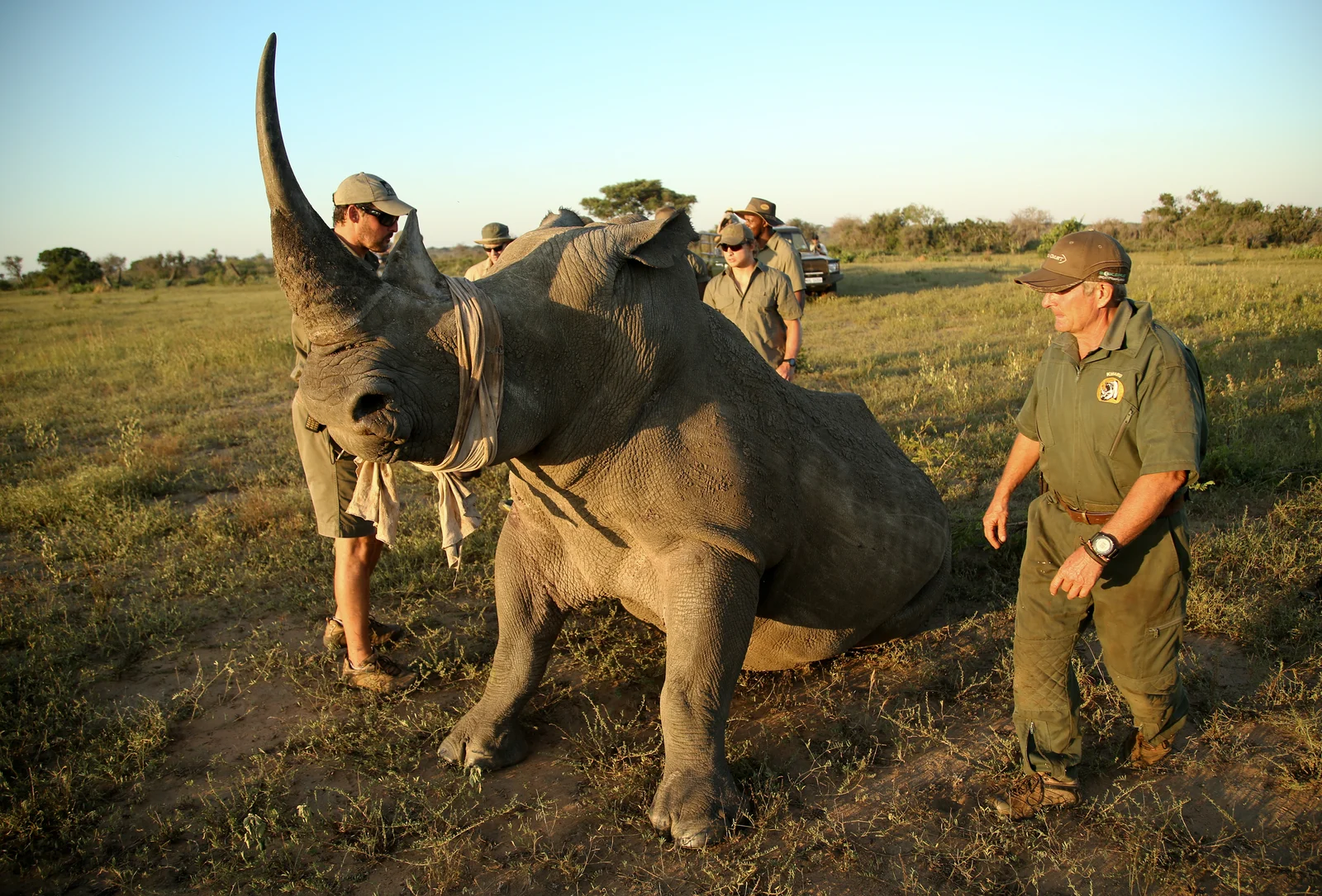
The defining feature is the direction of the help. In philanthropic travel, the guest does not do the work. The people best placed to protect a rhino population, reintroduce jaguars to a wetland or keep an Indigenous art tradition alive are the experts already doing it, and what they lack is rarely another pair of hands. It is funding, and attention. A philanthropic journey supplies both, and the guest's reward is to observe that work up close, in comfort, with the people who lead it.
The term has been used loosely to cover everything from a hotel's rounding-up-the-bill scheme to a donor site visit arranged by a foundation. At Impact Destinations we use it narrowly: the contribution is agreed in advance with a named partner organization, it funds specific work, and the itinerary is built around seeing that work.
How does a philanthropic journey work?
Every Impact Destinations journey follows the same four steps.
First, you choose the cause. Some families arrive with a lifelong interest in big cats or the ocean; others want their children or grandchildren to see conservation happening rather than read about it; foundations often want to see a grantee's work in person. We start with what matters to you.

Second, we match you with a verified partner project. Every project we offer has been visited and vetted by us, and we work only with organizations whose work we have seen firsthand: Rewilding Argentina's jaguar reintroduction in the Iberá wetlands, rhino relocation teams in South Africa, snow leopard researchers in the Indian Himalaya, orangutan rescue and rehabilitation in Borneo, arctic fox researchers in Iceland, axolotl conservation in the canals of Xochimilco in Mexico, dolphin research off Costa Rica's Osa Peninsula, and Aboriginal artists and scholarship programs in Australia.
Third, your contribution funds the work. The amount is agreed with the partner before you travel, and it goes to the organization, not to us. We document what it is intended to fund so you can see the link between your gift and the outcome.
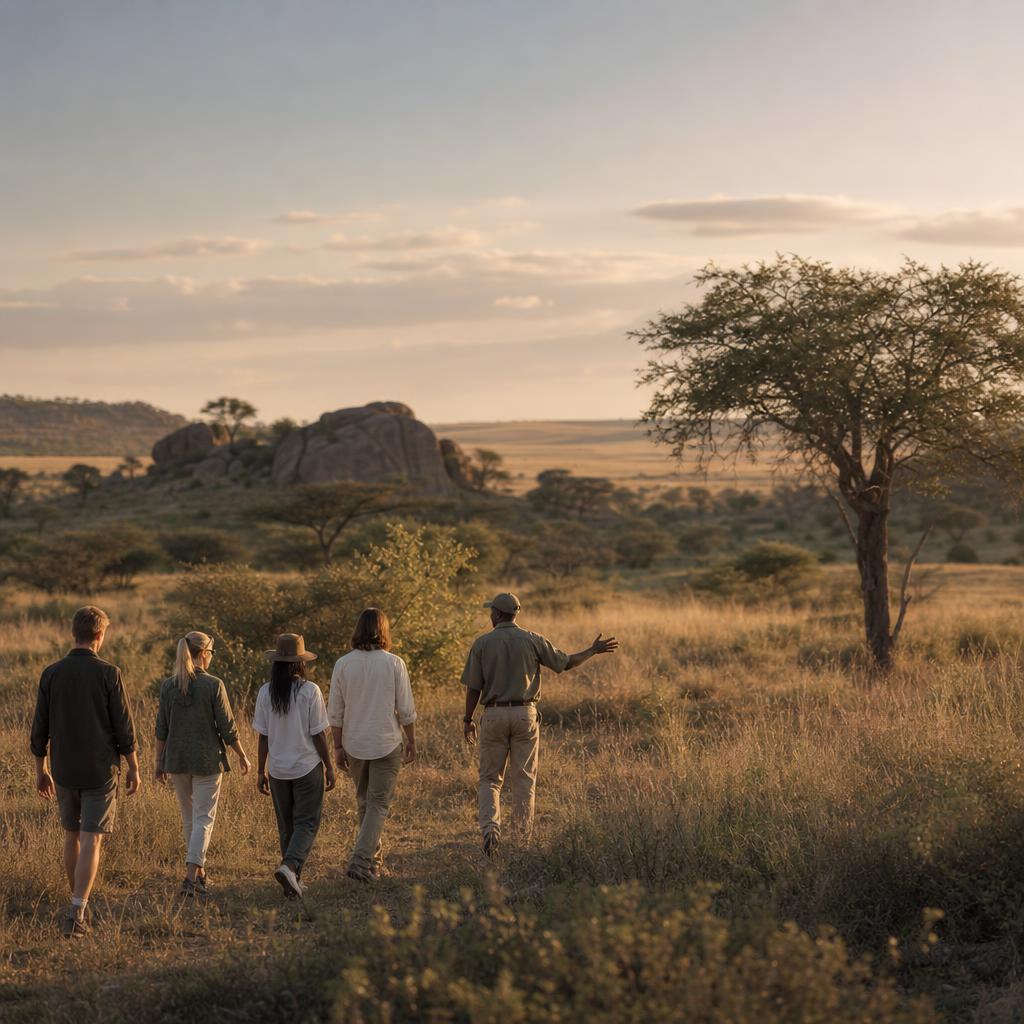
Fourth, the journey gives you private access. This is the part no conventional trip can offer: a morning with the veterinary team as a rhino is moved to a safer reserve, an evening with the biologists who track jaguars across the Iberá, a private viewing of the Sistine Chapel paired with heritage conservation giving in Italy. Around that access we build eco-luxury accommodation, private guides and seamless logistics, so the whole journey is as comfortable as it is meaningful.
- 01Choose your cause
- 02We match a verified partner project
- 03Your contribution funds the work
- 04Private access to the experts and their work
- 05Eco-luxury journey designed around it
The flow above is the whole model in one line: the cause comes first, the contribution enables the experts, and the experience follows from that.
How is it different from conventional luxury travel?
Conventional luxury travel is designed around comfort, exclusivity and sights. It can include a conservation visit or a charitable donation, but these are additions to an itinerary built for other reasons. Philanthropic travel reverses the order: the cause shapes the itinerary, and the comfort and exclusivity follow.
In practice the difference shows in who you meet. A conventional safari puts you with an excellent guide; a philanthropic journey puts you with the reserve's head of conservation, the veterinarian and the anti-poaching team leader, because your contribution is funding their work and they want you to see it. The access is not something money alone can buy, because it depends on a relationship with the project, built over years.
How is it different from hands-on giving-back trips?
Hands-on giving-back travel, where guests spend part of their trip working on a project, is a wonderful thing for the right traveler. Our sister company, Hands Up Holidays, has offered exactly that to families since 2006, and for children and teenagers it can be life-shaping.
Philanthropic travel takes a different view of where a guest's time is best spent. Most conservation and cultural work needs trained specialists, and a well-meaning visitor on site for two days is rarely the most useful form of help. What those projects need is sustained funding and advocates who have seen the work with their own eyes. Philanthropic travel provides both, and it asks nothing of the guest except curiosity. There are no work days, no physical demands, and no minimum fitness beyond what the destination itself requires.
A useful test: if you want to do the work, choose a hands-on giving-back trip. If you want to enable the work and witness it, choose philanthropic travel.
How is it different from regenerative tourism?
Regenerative tourism is a principle rather than a product: the idea that travel should leave a place better than it found it, through the accommodation you choose, the guides you hire, the carbon you offset and the money you keep in the local economy. Every Impact Destinations journey is regenerative in this sense, and we are a Luxury Travel Magazine Gold List winner 2024, Regenerative Tourism Experience.
Philanthropic travel adds a deliberate, measurable layer on top of that principle. Beyond traveling responsibly, you fund a named project with a defined outcome. Regenerative tourism is how we travel; philanthropic travel is why.
| Comparison | Conventional luxury travel | Hands-on giving-back trip | Regenerative tourism | Philanthropic travel |
|---|---|---|---|---|
| Built around | Comfort and sights | Working on a project | Minimizing harm, benefiting locals | Funding a named project |
| Guest's role | Visitor | Participant | Responsible traveler | Enabler and witness |
| Who does the work | Not applicable | The guest, alongside locals | Local suppliers | The experts, funded by the guest |
| Access to experts | Occasional | Project staff | Varies | Central to the journey |
| Measurable outcome | None required | Hours contributed | Footprint reduced | Project funded, outcome documented |
| Best suited to | Anyone | Families with children and teens | Everyone | Legacy-minded families, foundations, multi-generational groups |
What does philanthropic travel cost?
A philanthropic journey has two parts, priced separately: the travel and the contribution.
The travel is priced as any fully bespoke luxury journey would be, according to destination, season, accommodation and group size. Because every itinerary is designed from scratch, we quote each one individually rather than publishing rates. Most guests invest from $30,000 per person for a ten-day itinerary, including the contribution to fund the philanthropic experience.
The contribution is agreed with the partner project before you travel and is set at a level that funds real work: a relocation operation, a season of field research, an artist's commission and a scholarship. It is paid to the partner organization, not to Impact Destinations, and we document its intended use. Whether it is tax-deductible depends on the partner organization's status and on where you pay tax; we introduce you to the partner so that your advisor can confirm before you commit.
What you are buying, in the end, is access that has no market price, because it is not for sale. It is opened to people who fund the work.
Who is philanthropic travel for?
Three kinds of traveler come to us most often.
Legacy-minded families, typically in their fifties to seventies, who have traveled widely and want travel that counts for something. Many are already generous givers and are looking for a way to see their giving in action rather than read about it in an annual report.
Multi-generational groups: grandparents traveling with adult children and grandchildren who want a shared experience that carries meaning beyond the holiday itself. A legacy trip, in the fullest sense. We design pacing and access to suit every age in the group, and we advise on which projects work best with children present.
Many of our journeys are multi-generational, and legacy trips with grandchildren are among the most requested. We advise on the right project for each age.
Family foundations and philanthropic advisors, who want a donor experience built around a grantee or a cause, with the logistics, privacy and discretion their principals expect. Several of our journeys began as a foundation's wish to show its next generation what the family's giving actually does.
What unites them is a simple wish: travel with purpose, for people who have everything except the experience of seeing their generosity at work.
Where can you travel philanthropically?
Impact Destinations currently designs journeys in South Africa, Kenya, Rwanda, Argentina, Chile, India, Indonesia, Iceland, Mexico, Costa Rica, Italy, Australia, and New Zealand, and adds destinations only where we have a verified partner project and accommodation we have stayed in ourselves. Each destination page describes its project, the experts you will meet and the shape of a typical journey.
Frequently asked questions
Is philanthropic travel the same as a volunteer vacation?
No. Guests are not asked to do the experts' work. Your contribution enables it, and you observe it with private access.
Can I choose the project?
Yes. The cause comes first, and we match you with a verified partner working on it.
Is the contribution tax-deductible?
It depends on the partner organization's status and your country of residence. We introduce you to the partner so your advisor can confirm.
How far in advance should we plan?
Most journeys are planned six to twelve months ahead, because project access, private viewings and wildlife seasons are limited.
Who designs the journey?
Founder Christopher Hill responds personally to every inquiry, and will design your journey.
Begin your journey
If you would like to fund work that matters and see it with your own eyes, tell us about your interests and your legacy goals, and we will propose a journey around them.
Prepare for the Extraordinary
Download your definitive guide to transformational travel and begin planning your legacy encounter.
Download Free Guide